Use coupon code MOISTURIZER with your purchase of $40 or more for a free†
Blemish Clear MoisturizerPet Joint Health: Signs of Aging and How to Help
Dani Dominguez, MS, RDN, Certified Pet Nutritionist

Joint health is the cornerstone of your pet’s overall well-being.
As pets grow older, you may start noticing little changes within their bodies. Maybe your dog starts to hesitate before jumping on the couch, or your cat no longer climbs to the top of their favorite lookout spot to watch the birds.
Just like humans, pets experience natural wear and tear on their bodies and joints over time, which can lead to discomfort, reduced mobility, and diminished quality of life.
Paying attention to joint health early on can help keep your pet mobile and enjoy the activities well into their golden years.
Signs of joint problems in pets
As much as we wish pets could tell us exactly what hurts, we as their guardians must recognize the early signs of joint discomfort and be their health advocates. The most prevalent joint issues in pets include arthritis, hip dysplasia, and general stiffness. Arthritis, in particular, is a degenerative condition that affects the cartilage within joints, leading to inflammation and pain. Over time, this can result in reduced mobility and a decreased interest in engaging in activities your pet once loved.
Other common issues include joint instability, ligament injuries, and even age-related muscle loss, which can exacerbate joint strain. These symptoms are typically easy to spot and can increase awareness faster.
Things to look out for that may not be as obvious are:
- behavior characteristics of irritability,
- withdrawal tendencies,
- reluctance to being touched, or
- increased lounging or resting.
Early support can make a huge difference in potentially slowing progression and keeping your pet comfortable.
Factors that affect joint health
Several factors can influence how quickly joints wear down, and these include:
- age,
- breed,
- weight,
- activity level,
- neuter status,
- hormones, and
- nutrition and lifestyle.
Joint health is not just a concern for senior dogs and cats. While aging can be a major factor, joint problems can affect pets at all stages of life and present themselves in many different ways. Senior pets may be more prone to arthritis and stiffness symptoms because the ability to repair cartilage diminishes over time. Large and giant breeds (like Great Danes, German Shepherds, Bulldogs, and Labradors) are at a higher risk for developing joint issues compared to smaller breeds, and this could also be due to genetic predisposition.
Obesity is one of the most common pet health issues seen today, and those extra pounds can place additional stress on joints, resulting in accelerated wear and tear. In addition, activity levels that are both overexerting or overly sedentary can negatively affect their joints. Interestingly, several research studies suggest that early neutering may play a role in joint disorders; however, more research is needed 1.
How to support joint health
The good news is that there are many proactive steps you can take to support your pet’s joint health. Providing a balanced diet that is rich in anti-inflammatory nutrients, high-quality proteins, healthy fats, and antioxidants can create a strong foundation for supporting cartilage and joint health. Incorporating foods like wild-caught fish, bone broth, and even turmeric can be beneficial.
Diet
Not only can a healthy diet provide many vitamins and minerals that are needed, but it can also help maintain a healthy weight to reduce the strain on joints. For pets who are overweight, weight loss under the supervision of a veterinarian or pet nutritionist can significantly improve mobility and comfort.
Exercise
Just like humans, regular and moderate exercise can keep joints flexible and muscles strong. Activities that are low-impact, such as walking, swimming, or gentle play, are ideal for pets. If possible, try to avoid high-impact activities, like repetitive ball throwing for pets who have arthritis, as that may aggravate those joint problems. It is advised to keep exercise consistent rather than sporadic and avoid sudden, intense bursts of activity or jumping from high surfaces if they have known joint issues.
Making small changes within the pets’ environment can help them move more comfortably. You can use ramps or pet stairs to access cars or furniture and provide supportive bedding to reduce pressure on joints. By keeping food, water, and litter boxes easily accessible can also support your pet’s joint health.
Role of joint supplements
As a pet owner, you have most likely heard of common ingredients that fight against the typical wear and tear of aging joints, such as glucosamine and chondroitin, but are you aware of why these are commonly suggested?
These ingredients can provide targeted nutritional support for cartilage, connective tissue, and mobility. Glucosamine is mainly a building block for cartilage maintenance, while chondroitin supports the hydration within the cartilage to maintain the shock absorption as they walk, jump, or run. Methylsulfonylmethane (MSM) is a sulfur-bearing compound that supports the normal structure of articular cartilage. Undenatured Type II collagen (UC-II®) is a researched ingredient that trains the immune system to protect joint cartilage to support flexibility and comfort. 2 3
These ingredients work in different but complementary ways to protect joint structure, promote normal inflammatory processes, and support mobility. Diet and lifestyle can set the foundation for strong muscles and healthy weight, while the joint-supporting ingredients provide specific nutrients that are not always present in high amounts in regular diets, to work together for the pet’s health benefit.
NOW® Pets joint support products
NOW® Pets has developed two high-quality formulas for joint support for your dogs or cats.
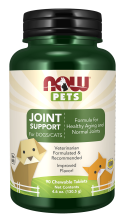
The NOW® Pets Joint Support Chewable Tablets for dogs and cats support cartilage health utilizing glucosamine, MSM, and chondroitin. In addition, it contains various antioxidant ingredients such as turmeric root extract, yucca, and cayenne, which may help with stiffness and discomfort. And if that was not enough, it also has hyaluronic acid, which is naturally found in joint fluid and cartilage, that can cushion and lubricate joints for better mobility, especially in aging pets. This formula targets the root causes of joint discomfort, helping to maintain healthy cartilage, support normal inflammatory processes, and improve overall joint function.
The NOW® Pets UC-II® Advanced Joint Mobility Chewable Tablets for dogs and cats feature the clinically studied UC-II® undenatured type II collagen, as well as glucosamine, MSM, and boswellia extract to support normal inflammatory responses. Research has suggested that this game-changing UC-II® ingredient helps maintain youthful mobility, flexibility, and comfort while supporting the immune system’s natural processes to protect the cartilage in the body. UC-II®’s unique mechanism of action sets it apart from traditional joint supplements, making it particularly effective for pets with age-related joint stiffness and discomfort.

Incorporating joint supplements into your pet’s routine does not have to be a struggle. Both of these NOW Pets products come in chewable tablet form, making them easy to administer. You can offer them as a treat or crush them and mix them into your pet’s food. When using these joint supplements, consistency is key since daily supplementation is essential for long-term benefits.
Joint health is an important part of keeping our pets happy, active, and comfortable as they age. While some factors, such as age and breed, are beyond our control, many aspects like weight, exercise, nutrition, and environment, are within our reach. Supplements such as NOW® Pets Joint Support and NOW® Pets UC-II® Advanced Joint Mobility can play a valuable role in supporting joint health when combined with a balanced diet and healthy lifestyle.
As with any new supplements, it is best to consult your veterinarian to create a tailored plan for your pet. Taking a proactive approach to joint care can help your pets enjoy many more years of play, walks, and cuddles.
About the Author: Dani Dominguez is a Registered Dietitian Nutritionist with certifications in pet nutrition and holistic pet nutrition care. With years of experience in nutrition and education, she’s combined her expertise and love for animals to create a personalized approach to pet health and wellness. Dani founded SunBright Wellness to provide nutrition consultations for pets at all stages of life, from puppies and kittens to seniors and those managing chronic conditions.